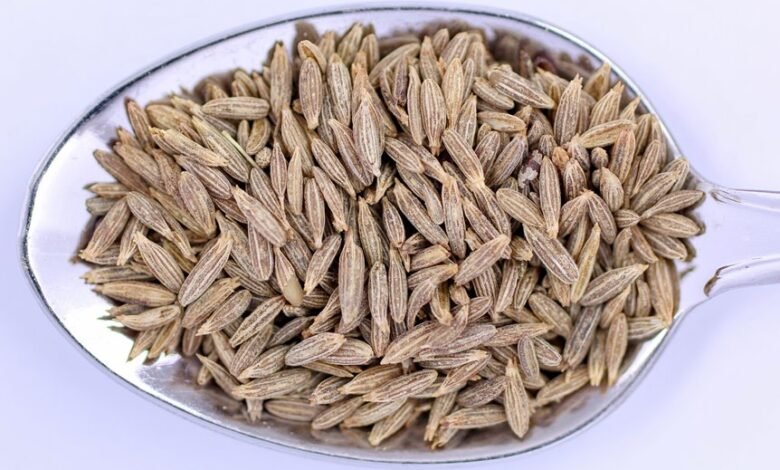
Nivhullshi centers on a core grain blend that defines texture, moisture, and bite, with hydration kinetics guiding cohesion. Varied cereals contribute granularity and body, while particle size modulates mouthfeel. Aromatics and spices are layered to influence aroma release and flavor perception, shaping the finish without overpowering the grain-led profile. Regional variations and seasonal produce offer nuance, yet the essential structure remains, suggesting a precise balance that invites further consideration and scrutiny.
What Core Grains Give Nivhullshi Its Body
The core grains of Nivhullshi establish its foundational texture and nutritional profile through a precise blend that determines structure, moisture retention, and bite.
This analysis identifies the contribution of diverse cereals to cohesion, granularity, and resilience.
Core grains influence body texture by modulating starch transformation, particle size, and hydration kinetics, yielding a consistent, adaptable, and nutritionally balanced matrix.
Aromatics and Spices That Lift the Dish
Aromatics and spices elevate Nivhullshi by modulating aroma release, flavor perception, and aftertaste through selective volatile profiles and interaction with core grains.
The analysis identifies aromatics layering as a core mechanism, shaping perception without overpowering intrinsic grain notes.
Spice balance optimizes trajectory, ensuring cohesion between sweetness and savory depth while preserving grain-led structure and finish.
Subtle Counterpoints: Textures, Freshness, and Balance
Textures, freshness, and balance interact with the grain-forward profile of Nivhullshi by introducing counterpoints that modulate mouthfeel and perceived complexity without obscuring core notes. The analysis remains precise: textures contribute tactile variation; balance distributes structural elements; freshness signals vibrancy through subtle contrasts. Counterpoints arise as controlled deviations, confirming that sustained harmony, not maximal intensity, preserves nuanced, technical clarity within the overall flavor architecture.
Optional and Regional Variations: How Ingredients Change by Place
Optional and regional ingredient repertoires shape Nivhullshi’s profile by introducing place-specific substitutions that preserve core structure while modulating aromatic and textural cues.
The analysis identifies regional sourcing as a constraint, with spice trade influences guiding substitutions that maintain balance.
Local heirloom grains and seasonal produce frame texture, aroma, and mouthfeel, enabling adaptable, freedom-oriented culinary precision across environments.
Frequently Asked Questions
What Is the Origin of Nivhullshi’s Flavor Harmony?
The origin of nivhullshi’s flavor harmony arises from core components balancing savory and aromatic notes, employing non grain ingredients; cooking methods unite textures. Uniqueness lies in vegetarian and vegan adaptations, addressing allergens and common allergens while preserving overall harmony balance.
Which Non-Grain Ingredients Define Its Uniqueness?
A hypothetical tasting shows non-grain elements shaping Nivhullshi’s profile: fresh texture and aroma balance emerge from alpine herbs and citrus zest, delivering crisp clarity while preserving complexity and a liberated sensory experience, independent of grain-based contributors.
How Do Cooking Methods Alter the Core Components?
Cooking methods alter the core components by influencing protein integrity and mineral retention; differing techniques yield variable denaturation and leaching patterns, with precise control over heat, moisture, and timing determining the final compositional balance in Nivhullshi’s framework.
Are There Vegetarian or Vegan Adaptations for This Dish?
Symbolically, adaptation exists: there are vegetarian adaptations and vegan substitutions for this dish. The analysis notes feasible substitutions for core components, preserving texture, flavor balance, and nutritional equivalence, while maintaining technical precision and offering freedom in culinary experimentation.
What Allergens Are Commonly Found in Nivhullshi?
Nivhullshi commonly contains gluten, dairy, and tree nuts, with potential sesame and soy derivatives; allergen labeling should be explicit, and cross contact prevention measures must be rigorous to protect sensitive individuals and maintain product integrity.
Conclusion
Nivhullshi derives its structure from a deliberate core-grain network, where hydration kinetics govern cohesion and resilience. Core cereals establish body, while particle size modulates texture and mouthfeel. Aromatics and spices provide a measured aroma-release ladder that enhances perception without masking the grain-focused profile. Subtle textural contrasts, revised freshness, and balanced savory notes maintain harmony across regional and seasonal variants. Like a measured instrument, the recipe scales complexity without distortion, yielding a precise, coherent culinary texture.