
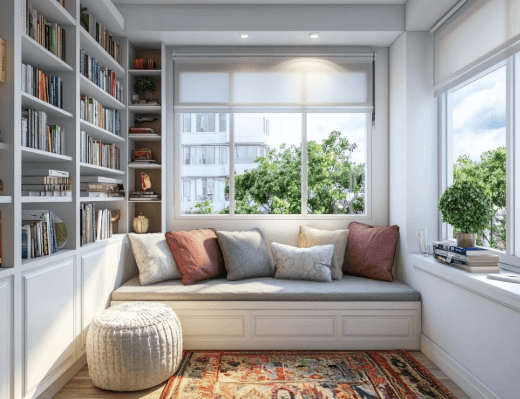
Creating a well-organized home is not just about cleaning up clutter. It is about building a system that works smoothly across every room. When storage feels consistent and intentional, daily routines become easier, and spaces feel more comfortable. A cohesive storage experience connects bedrooms, kitchens, living areas, and garages into one functional flow.
Start With a Unified Vision
The first step is to think of your home as a complete system rather than separate rooms. Each space may serve a different purpose, but the way items are stored should follow a similar logic. Consider how you categorize belongings, how often you use them, and where they naturally belong.
For example, frequently used items should always be within easy reach, whether in a bedroom or the garage. Upper or deeper drawers can be used to store things that aren’t used very often. When you follow this rule everywhere, your home will feel more organized without you having to keep working at it.
Focus on Functional Zones
Set up different areas of your home for different tasks, like getting ready, cooking, working, and fixing things. Each zone should have storage designed specifically for its function. This makes it easier to maintain order because everything has a clear place.
In bedroom areas, a well-planned closet system organizer helps group clothing, accessories, and footwear in a way that supports your daily routine. Shelves, drawers, and hanging spaces should reflect your lifestyle, making it simple to find what you need quickly.
In garages, tools, seasonal items, and equipment need a different approach. Creating a storage closet for garage use ensures that bulky or less frequently used items are kept out of sight but still accessible. This prevents clutter from spreading into other parts of the home.
Maintain Consistency in Design
Consistency plays a major role in achieving a cohesive look and feel. This does not mean every cabinet or shelf must look identical, but they should share similar design elements. Colors, finishes, and materials can be coordinated to create visual harmony.
When storage systems follow a consistent style, the transition from one room to another feels natural. It also creates a sense of calm because the environment appears structured and intentional rather than random.
Maximize Vertical and Hidden Space
A cohesive storage experience makes use of all available space, especially vertical areas. Walls are often underutilized, yet they offer valuable room for shelving and cabinets. Using vertical storage keeps floors clear and reduces visual clutter.
Hidden storage is equally important. Built-in cabinets, under-bed drawers, and concealed compartments help maintain a clean appearance. When items are stored out of sight but remain easy to access, your home feels more spacious and organized.
See also: 100 Day Dream Home Lawsuit Long-Term Investment: Top Stocks to Buy Today
Adapt Storage to Your Lifestyle
Since each family has different storage needs, storage options should be able to adapt to those needs. A family that is growing might need more storage room for kids that is easy to get to, and a professional might need well-organized workspaces. It’s important to make processes that can change over time.
Storage can be changed without making big changes if you use adjustable shelves, flexible units, and furniture that can be used for more than one thing. This gives you the freedom to make changes to your house without affecting its functionality.
Build Habits That Support Organization
Even the best storage system will not work without consistent habits. Returning items to their designated places, decluttering regularly, and avoiding unnecessary accumulation are essential practices.
Simple routines, such as organizing at the end of the day or reviewing items monthly, help maintain order. When these habits align with a well-designed system, keeping your home organized becomes effortless.
Conclusion
A cohesive storage experience is about more than neat spaces. It is about creating a system that supports your daily life across every area of your home. By focusing on functionality, consistency, and adaptability, you can transform your living space into an organized and efficient environment that feels both practical and inviting.


